
Umbrella ND is a neurodivergent-led 501(c) nonprofit. Neurodivergence shows up in more ways than most people realize. However yours shows up, you belong here.
What to Expect in This Issue
This month, we are sharing:
- A Note from Our Team
- Team Member Spotlight
- New: Community Journeys
- Hey, Jessica!…Visibility Backfire
- Community Partnership: Sensory Systems Survey
A Note from Our Team
AJ Locashio, Executive Director
April marked a historic month for Autistic individuals and our ND allies, as we courageously shared our truths and fought for recognition. Advocacy requires strength and heart—many of you poured your souls into it because you believe in a better world.
But advocacy doesn’t end because the month does. In June, we still find the need to advocate. We will in July and every other month, too. The passion and fight are lifelong and shown in everyday acts: standing firm at work, voicing needs, saying “no” to protect your peace. These moments are just as vital as marches and loud voices.
Remember: advocacy consumes energy. Did you burn it all in April? What do you have left for June? For some, it’s nothing. And that spirals into exhaustion and even shame. That’s why we introduce Capacibility—a mindful approach to advocacy that preserves your capacity. It’s about acting fiercely but sustainably, ensuring you can keep fighting long-term.
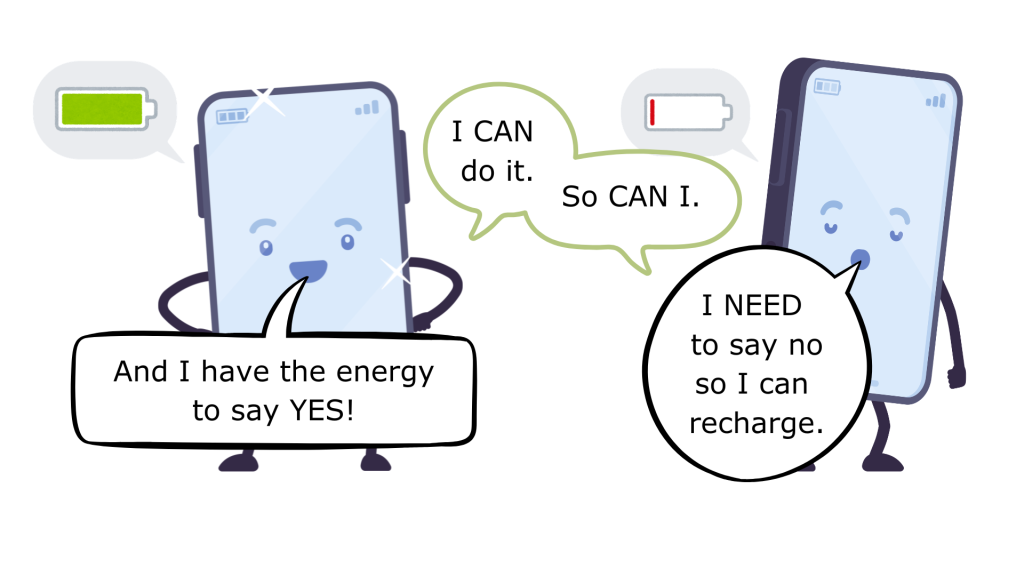
Ask yourself: “Do I have the strength for this right now?” Rest is necessary. It’s survival. It’s not only okay to pace yourself; it’s crucial to your well-being. Capacibility is about making mindful choices today so you can continue tomorrow. And it’s a reminder to create space for others to do the same.
In the coming months, we’ll share tools from the Self-Advocacy Survival Guide to support you. For now, hold tight to this: your advocacy matters, and so does your capacity to sustain it.
We walk this path together in community and courage.
We are so glad to be in this community with you!
Team Spotlight

Kato Lujan Camacho is our board treasurer.
Fun fact about Kato: he lives with his husband, a dog, a pigeon, fish, snails, shrimp, and lots of plants.
Meet the rest of the Umbrella ND team
SASG: Community Journeys Field Guide 2026 (Coming Soon)
The companion to the Self-Advocacy Survival Guide is almost here. Community Journeys: Field Guide 2026 is based on real stories, reflections, and experiences from members of our community, along with journal prompts, character sheets, and coloring pages for you to personalize. It’s designed to be an interactive experience meaning you don’t just read it; you contribute to it.
This is the first volume, and our community continues to grow, share, and engage. We are already gathering stories, reflections, and insights for the 2027 edition. If you have something to share, we want to hear from you—whether it’s writing, art, or a few thoughtful notes in the margins of your life. Every contribution matters.
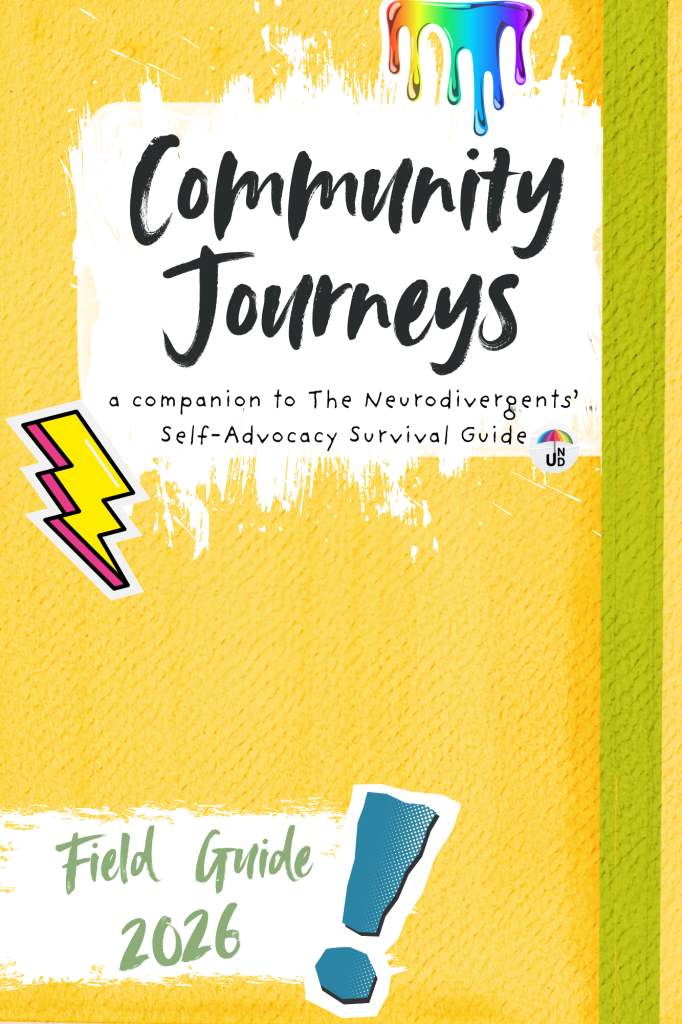
Share your story (writing, art, photography, video, whatever your prefer) for the 2027 Field Guide
Hey, Jessica. I’m Curious…
“Hey, Jessica. I’m Curious…” is an advice-style column written by Umbrella ND co-founder Jessica Jahns. Every month, Jessica answers real questions from community members—work stuff, relationship stuff, or whatever you’ve been carrying around and haven’t found the right person to ask. A space where curiosity comes before judgment, always.
This Month’s Question
My employer did a big neurodiversity initiative last year. Posters, a lunch-and-learn, the works. I came out as autistic during it because it felt safe. Since then, I’ve been ‘voluntold’ to join every DEI committee, asked to review every document that mentions neurodiversity, and quietly passed over for two projects that would have been good for my career. I was told the teams needed ‘strong communicators.’ Nobody has connected those dots out loud. I don’t know if I can prove anything. I don’t know if I even want to go through what proving it would cost me. But I also can’t pretend that coming out didn’t change something. What do I do with a situation I can’t quite name?”
~ Visibility Backfire
Jessica’s Response
Hey Visibility Backfire,
What you’re going through is actually (and unfortunately) a pretty common pattern in stories about disclosing autism. It usually unfolds in four predictable steps.
Step 1: Your employer tested your boundaries.
Safety-baiting happens when a company promotes DEI initiatives that seem meaningful but also leave room for feeling unsure — too performative or just enough to make you think sharing wouldn’t have consequences. Turns out, it might have.
Step 2: Your coworkers started quietly recoding you.
This is almost always what happens after you disclose to someone new…
Read Jessica’s full response to Visibility Backfire
Introducing the Sensory Systems Survey
Your sensory needs are real, valid, and worth understanding. That’s why we built the Sensory Systems Survey: a tool that helps you map out how your nervous system experiences the world, system by system, so you can find strategies that actually work for you.
Not sure where to start? Take our free sensory checklist at SensoryChecklist.org. It only takes a few minutes and can help you decide if the full survey is a good next step.
Ready to go deeper? The full Sensory Systems Survey is $250 and includes two 30-minute sessions with Dr. Kelli Grant, Senior Sensory Strategist, who will walk through your results with you and help you figure out what comes next. You’ll hear from us within three business days of completing your assessment.
This is community funding community. Every dollar of that $250 stays within our community. $150 goes directly to Dr. Grant, an AuDHD provider whose practice is fully dedicated to neurodivergent folks. The remaining $100 supports Umbrella ND’s program infrastructure and scholarship fund, so we can keep this work going and keep it accessible to those who need it most.
Cost shouldn’t stand between you and understanding your own sensory needs. If money is tight, our scholarship fund can help cover some or all of the fee. Join the waitlist at SensoryChecklist.org to learn more.
We built this because you deserve support that starts with curiosity, not judgment. Your sensory profile is information that helps you build a life that works better for you.
Sensory Tip of the Month
Build in Transition Time
Switching activities can be more taxing than it seems. If you feel foggy, irritable, or exhausted after a transition—like leaving the house, ending a call, or entering a loud room—it’s your nervous system working hard to reset, not failure to cope.
Try building a few minutes of buffer before and after transitions. This could mean sitting in the car for two minutes, wearing headphones between meetings, or taking a moment to decompress. There’s no right way. Find what helps your system shift smoothly, not what others expect.
Support Our Work
- Donate to Umbrella ND
- Volunteer with Umbrella ND
- Share your story with Umbrella ND
- See upcoming Umbrella ND events
Stay Connected
Find us @UmbrellaOpensDoors across social media:
- Umbrella ND on YouTube
- Umbrella ND on LinkedIn
- Umbrella ND on Instagram
- Umbrella ND on Bluesky
- Umbrella ND on Facebook
If someone forwarded this newsletter to you, welcome! You can sign up to receive future issues directly.